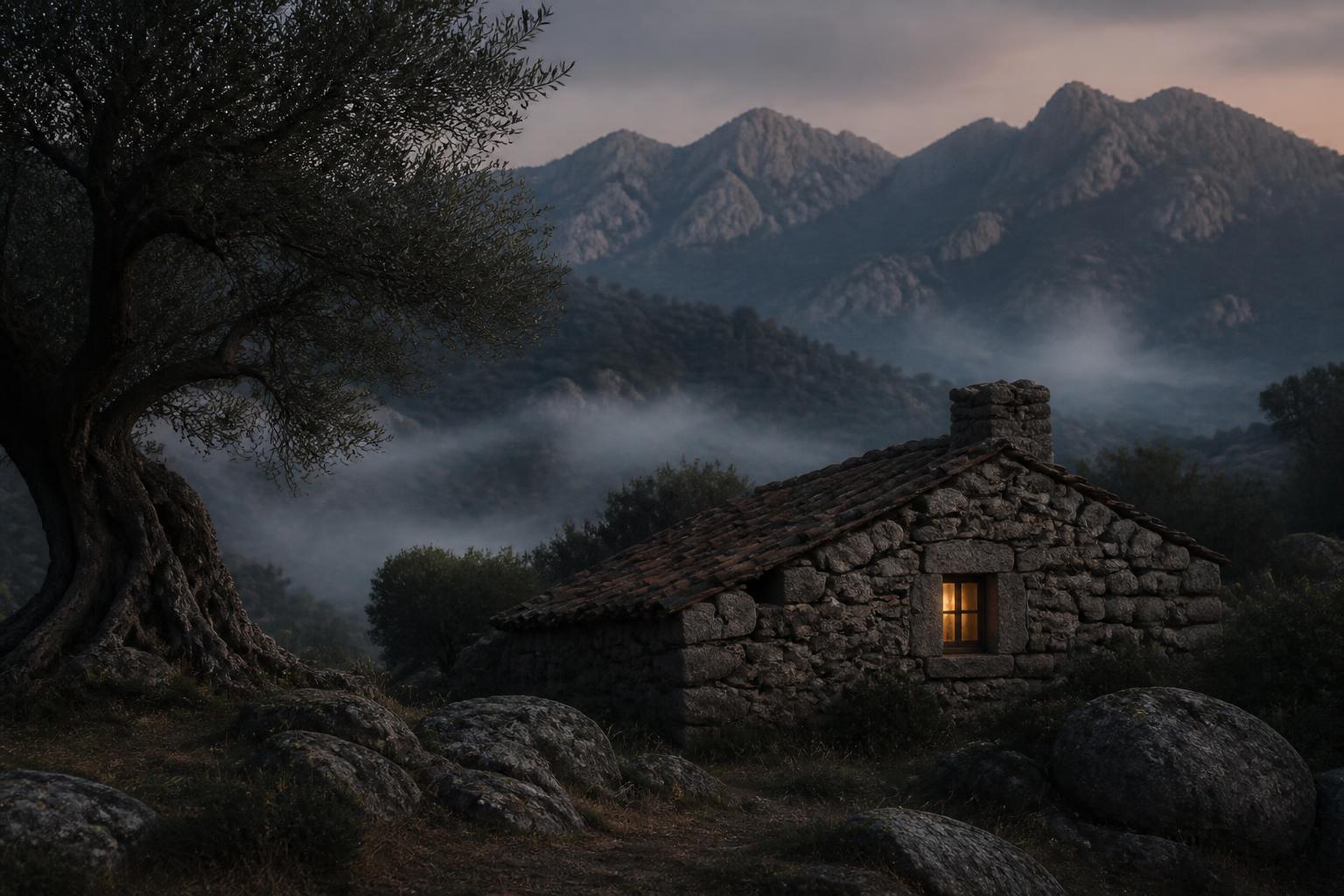
A stone stazzo above the Supramonte mountains of inland Sardinia at dusk
An example chapter · Five days

Inland: Barbagia

Shepherds' tables, granite mountains, a silence you forgot existed.

Days
Five
Party
A family of five
Season
Early October
Base
A stone stazzo near Orgosolo
An example chapter

Every real storyline is written from scratch. This is one chapter we wrote, kept here so you can hear the voice and pace before we speak.

Written for a New York family, parents, two grown children, a son-in-law, who had done the coast already and asked, plainly, 'What's the part of Sardinia nobody we know has been to?'

The answer was Barbagia. Inland, mountainous, suspicious of outsiders, and absolutely the deepest version of the island. We kept it short on purpose: five days is exactly right for the highlands; seven starts to feel like an expedition.

Day by day

The chapter, line by line.

DAY 1
Olbia · Oliena

Down off the coast, into the mountains.

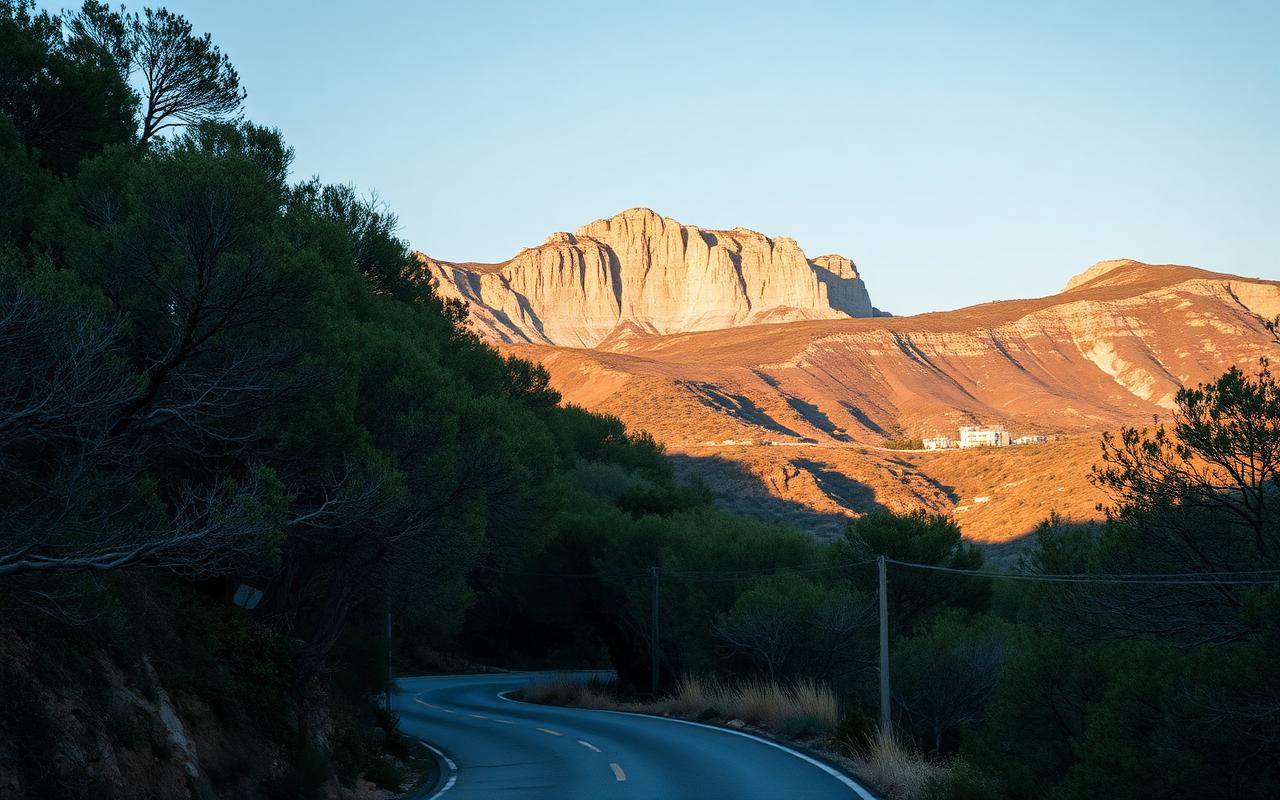
Met at Olbia and driven two hours south through the cork forests to Oliena, a white village pressed against the limestone wall of the Supramonte. A late lunch of culurgiones in the village square, pasta parcels you only really find on this side of the island.

Their base for the chapter is a stone stazzo above Orgosolo: three bedrooms, a wood-burning kitchen, and a view down a valley with no other house in it.

The why: Barbagia announces itself by altitude. Driving in from the sea makes the change of register physical. By lunch, the air is different.
DAY 2
Supramonte

A shepherd's lunch, no audience.

Morning drive up onto the Supramonte plateau with Antonio, a shepherd we've worked with for years. He walks them through his flock, six hundred sheep, and answers, patiently, every question the children ask.

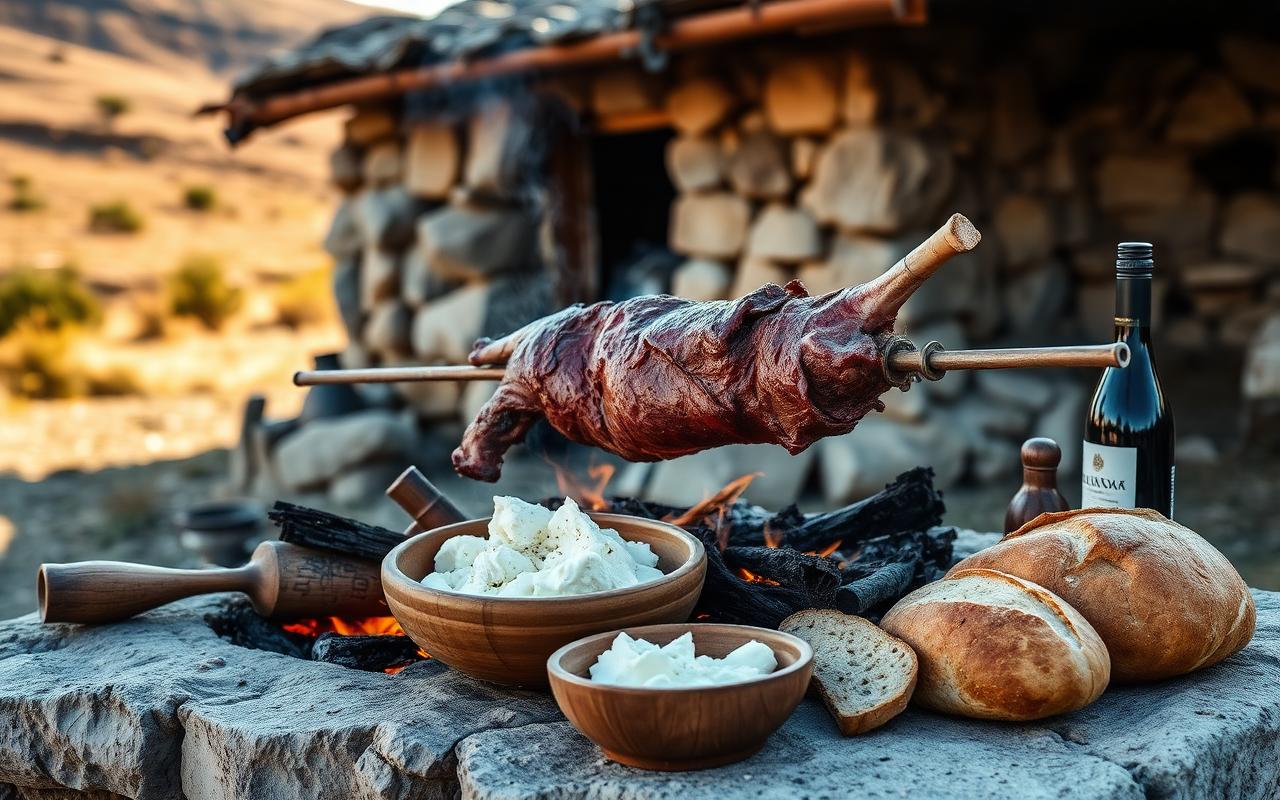
Lunch is at his ovile: roast lamb on a spit, ricotta he made that morning, bread baked the night before, his own Cannonau. Four hours at the table. No phones, no signal.

The why: There is no version of Barbagia that doesn't include a shepherd's lunch. It is the chapter's load-bearing meal.

DAY 3
Tiscali

On foot to a hidden nuraghic village.

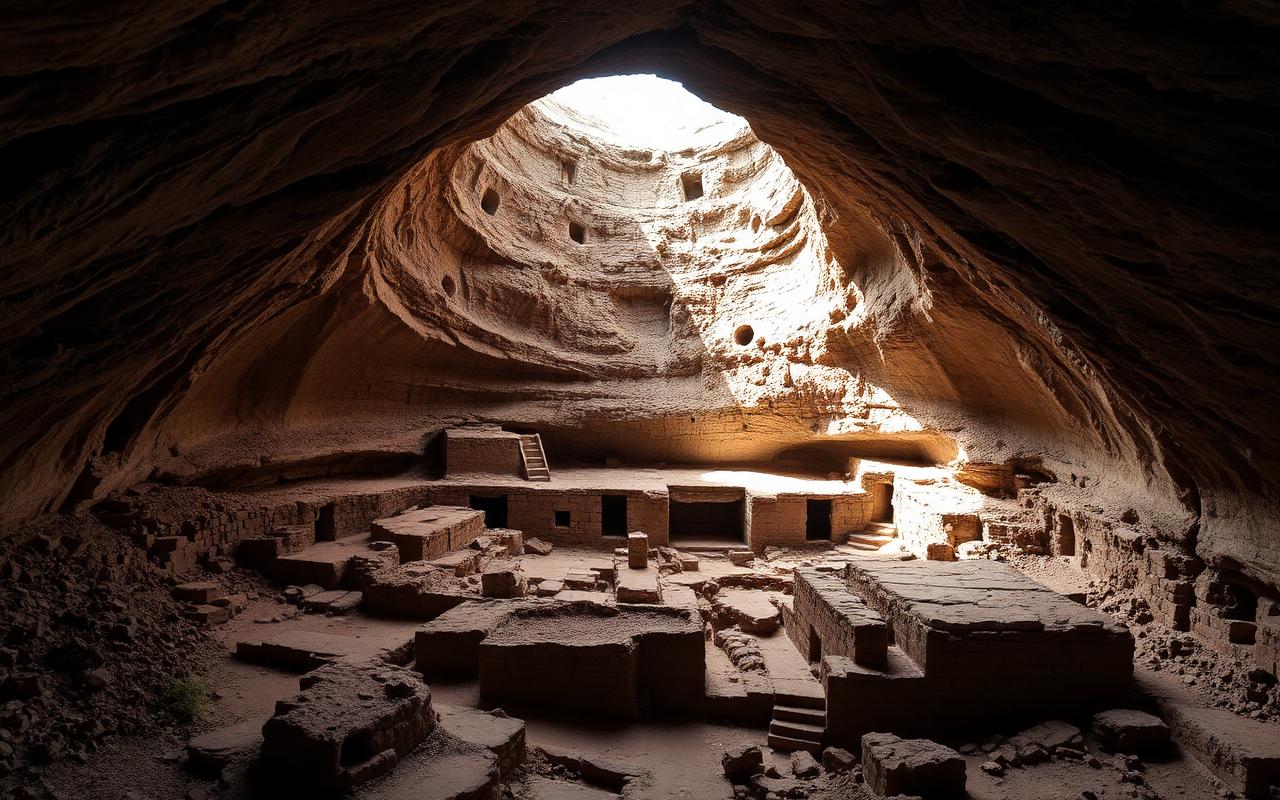
An early start with an archaeologist who specialises in Bronze Age Sardinia. Together they hike three hours through the Lanaitto valley to Tiscali, a nuraghic village built inside the collapsed mouth of a mountain, invisible until you are standing in it.

Picnic at the site. Slow walk back. The family is quiet for most of the descent.

The why: Tiscali is the single most extraordinary archaeological site on the island, and almost no foreign traveler reaches it without the right guide. It earns the day.

DAY 4
Mamoiada

Masks, wine, and a long afternoon.

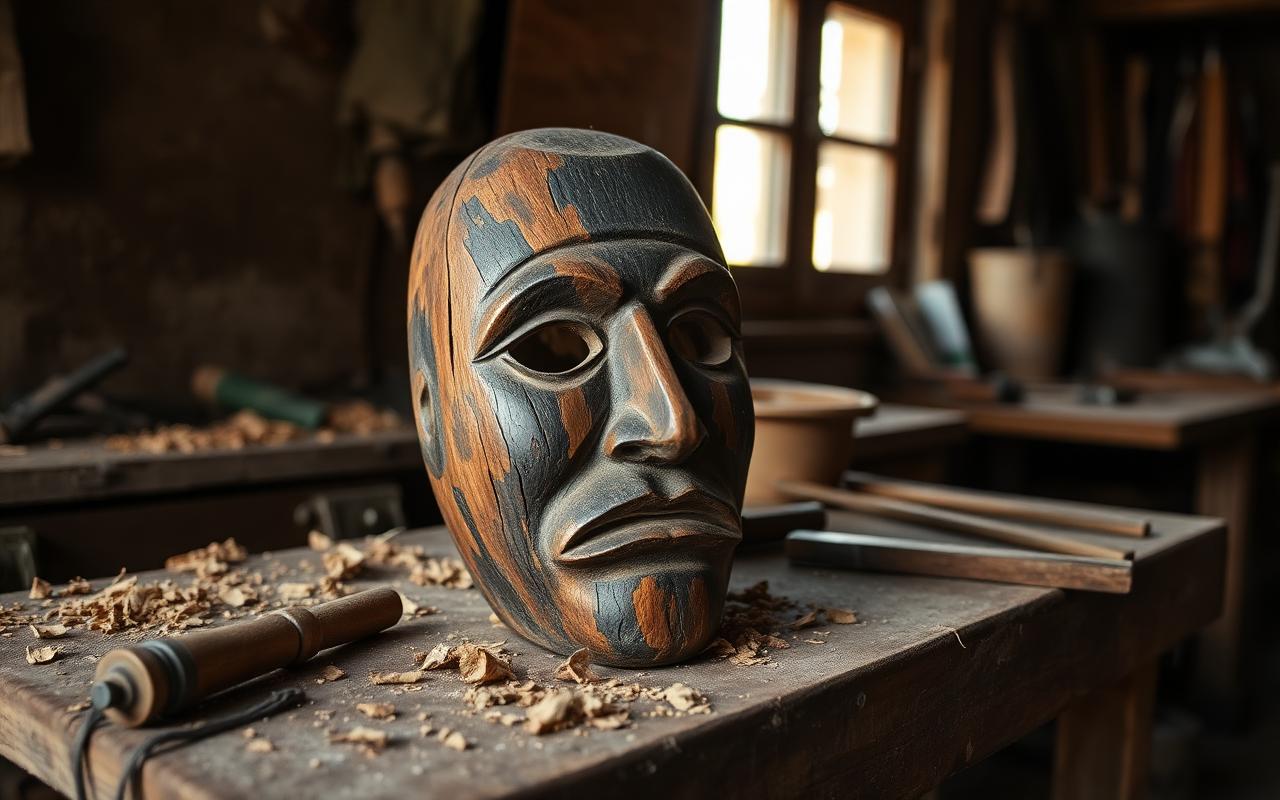
A late morning at the workshop of one of Mamoiada's last hand-carvers of mamuthones masks, the wooden, soot-stained faces of the village's mid-winter ritual. He talks about his father; he lets the children try one on.

Lunch at a cantina built into the rock, followed by an unhurried tasting at a Cannonau producer whose vines are over a hundred years old. They drive back to the stazzo in the late light.

The why: Mamoiada is the cultural counterweight to the Supramonte day: one is land, the other is craft. The chapter needs both.

DAY 5
Gavoi

A farewell dinner at a private home.

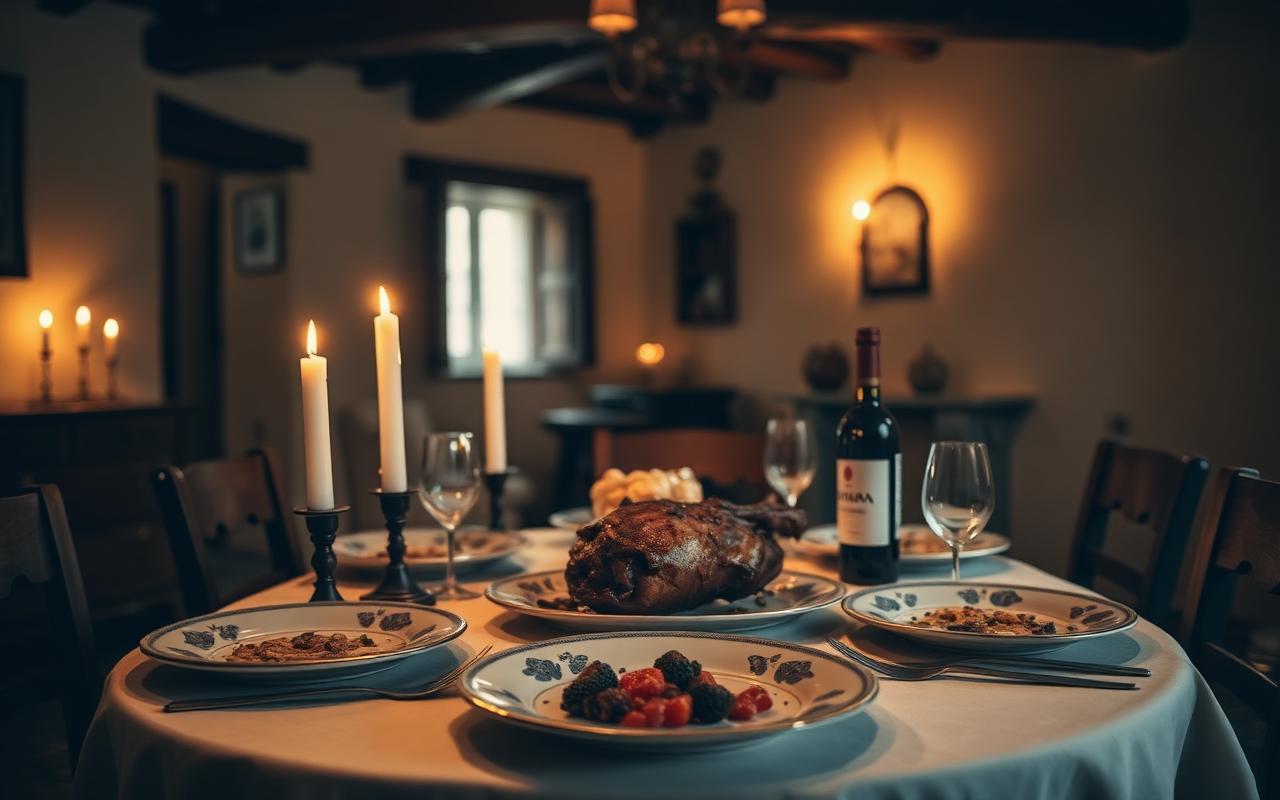
Morning at leisure at the stazzo. A late drive to Gavoi, a small lake village, for the farewell dinner: a private home where a chef we know cooks for eight, and only on the nights she chooses.

After dinner, a slow drive back through the mountains in the dark. A driver to Olbia at dawn for the morning flight.

The why: The chef-who-only-cooks-for-eight is the dinner we hold for the end. Anything after it would feel like a postscript.

In this storyline

What we wrote in.

  • A private stone stazzo above Orgosolo, with a housekeeper
  • Antonio's shepherd lunch on the Supramonte
  • An archaeologist for the Tiscali hike, with permits
  • A mask-maker's workshop visit in Mamoiada
  • A private Cannonau tasting at a hundred-year vineyard
  • The farewell dinner at Gavoi, the chef-who-only-cooks-for-eight
  • All drivers, transfers, and translation
Not in this storyline

What we deliberately left out.

  • Hotels of any kind. Barbagia is lived in houses, not lobbies
  • Bus-tour visits to the Orgosolo murals
  • Cooking classes (we eat what is cooked for us)
  • Group archaeological tours
  • Any restaurant on a coastal road
Notes from Che

A few asides from the margins.

Why only five days inland

Barbagia is intense. Five days is a chapter; seven becomes an expedition; ten and the traveler runs out of context. The right length is the one that leaves them wanting one more lunch.

On the language

Up here, Italian is a second language and Sardo is a first. We bring a translator on every interior chapter: not for menus, but so the conversations at the table go somewhere.

Why we don't do the murals

Orgosolo's painted walls are remarkable, and also the one thing every guidebook sends people to. We drive past slowly and keep going. The shepherds above the village are the actual story.

Yours next

This was written for someone else. Yours starts with a conversation.

Tell Che a few lines about the trip you're imagining. He reads every inquiry personally and replies within three business days.

Inquire about this storyline